-
unikadmin
- August 4, 2026
The Psychology of Chance and Anticipation
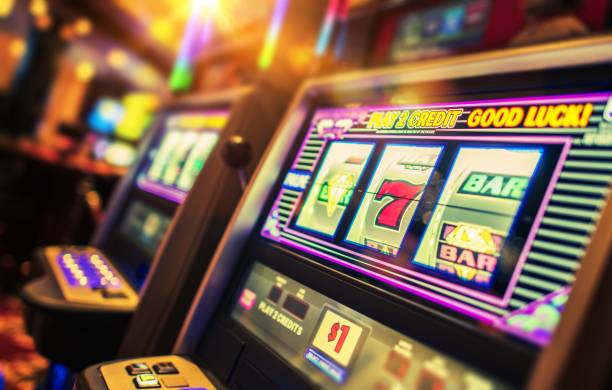
The allure of the casino is deeply rooted in fundamental human psychology, particularly the interplay between chance and anticipation. Humans are naturally drawn to unpredictable outcomes, and the casino environment masterfully crafts experiences that capitalize on this inherent fascination. The flashing lights, the sounds of winning, and the sheer possibility of a life-altering win create a potent cocktail of excitement and hope. While the thrill of potential wins is undeniable, understanding the underlying psychological mechanisms is crucial for a balanced approach, and for those interested in exploring different forms of entertainment, resources like https://gambloria-casino.ca/ offer insights into various platforms.

At its core, the casino taps into our innate desire for reward and the thrill of the unknown. The conditional nature of winning – requiring a bet and a favorable outcome – creates a compelling loop of action and reaction. This psychological dynamic is further amplified by the social aspect of casinos, where the shared experience of risk and potential reward can foster a sense of community, albeit a temporary one centered around the gamble.
Risk Perception and Decision-Making in Gambling
Understanding one’s personal gambling perspective requires an examination of risk perception. Casinos present scenarios where the odds are mathematically stacked against the player, yet many individuals are drawn to the perceived opportunity. This can stem from a variety of factors, including optimism bias, the gambler’s fallacy, or a simple underestimation of the long-term probabilities involved in games of chance.
The decision-making process within a casino setting is often influenced by a complex blend of rational thought and emotional impulse. While some players meticulously analyze strategies and game probabilities, a significant portion are driven by emotional responses to wins and losses. This emotional rollercoaster is a key component of the casino experience, making it both exhilarating and potentially perilous for those not mindful of their decision-making triggers.
The Social and Cultural Fabric of Casinos
Beyond individual psychology, casinos are woven into the social and cultural fabric of many societies. They often represent a form of entertainment, a destination for social gatherings, and sometimes, a symbol of aspiration or luxury. The very act of entering a casino can be seen as an immersion into a unique subculture with its own rituals, language, and etiquette.
Historically, casinos have evolved from simple gaming houses to elaborate entertainment complexes that offer a holistic experience. This evolution reflects a broader cultural acceptance of gambling as a leisure activity, albeit one that requires responsible engagement. The social dynamics within a casino, from friendly banter at a craps table to hushed anticipation at a high-stakes poker game, contribute to its enduring appeal.
Strategies for Responsible Engagement with Casino Environments
For those who choose to engage with casino environments, a responsible perspective is paramount. This involves setting clear limits, both in terms of time and money, and sticking to them rigidly. Understanding the house edge in different games and choosing those with more favorable odds, while still recognizing that the house always has an advantage, is a crucial step in managing risk.
A critical component of responsible gambling is self-awareness. Recognizing when emotions are influencing decisions, understanding personal triggers for overspending, and being prepared to walk away are vital skills. The casino’s allure is powerful, and its environment is designed to keep players engaged, making proactive strategies for self-control essential for a healthy gambling perspective.
Navigating the Casino Experience with a Balanced Outlook
As we explore the philosophy behind the casino’s allure, it’s clear that understanding your own gambling perspective is key to a balanced engagement. The thrill of potential wins, the psychological draw of chance, and the social atmosphere all contribute to the casino’s captivating nature. However, a mindful approach, informed by an understanding of probability and personal risk tolerance, allows individuals to enjoy the entertainment aspect without succumbing to its potential pitfalls.
For those seeking a platform that offers insights and resources related to various aspects of entertainment and engagement, understanding the underlying principles of such experiences is valuable. While the core focus is on the psychology and philosophy of casinos, the broader principle applies to many engaging activities: knowledge, self-awareness, and responsible decision-making are the cornerstones of a positive experience.